Profile
Discover the Johnsville Centrifuge Museum in Pennsylvania
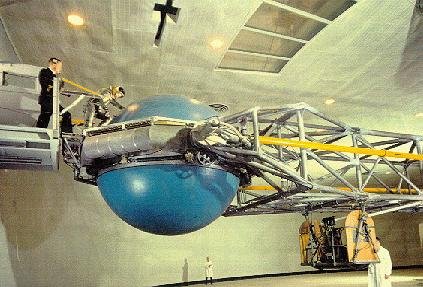
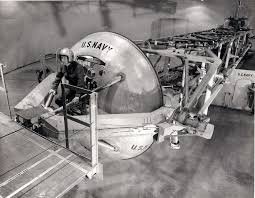
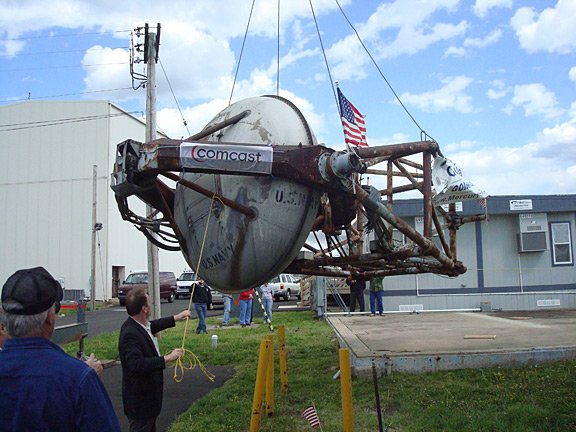
Experience the thrilling intersection of aviation, science, and space history at the Johnsville Centrifuge & National Air Defense and Control Museum in Warminster, Pennsylvania. Located on the grounds of the former Naval Air Development Center (NADC), this unique museum preserves the world’s largest human centrifuge — once used to train America’s astronauts and Navy pilots for the extreme forces of flight. Visitors can explore exhibits on aviation innovation, astronaut training, and Cold War-era technology that helped launch the U.S. into the Space Age.
Why it’s special: The Johnsville Centrifuge is a national engineering landmark that played a critical role in NASA’s Mercury, Gemini, and Apollo programs. The museum offers an extraordinary look inside the facility where early astronauts — including John Glenn and Neil Armstrong — pushed human limits in preparation for space travel.
History/Story of the Johnsville Centrifuge
The Naval Air Development Center (later the Naval Air Warfare Center) was established in Johnsville in 1949 as a hub for aerospace research and flight testing. In 1950, the facility’s 50-foot centrifuge — the largest and most powerful in the world — began spinning pilots and astronauts to simulate gravitational forces up to 40 Gs. It became a crucial part of astronaut preparation during the 1960s and a symbol of American ingenuity in aviation medicine. After the base’s closure in the 1990s, the site was preserved by the Johnsville Centrifuge and Science Museum Foundation, later expanded into the National Air Defense and Control Museum (NADCM) project.
What You’ll See & Do at the Johnsville Centrifuge Museum
Tour the historic centrifuge chamber and control rooms once used by NASA and the U.S. Navy
Learn how astronauts trained for high-G acceleration during space missions
Explore exhibits on aerospace innovation, Cold War defense systems, and flight testing technology
See archival films, original flight suits, and photos of America’s early space pioneers
Discover ongoing efforts to restore and preserve the centrifuge for future generations
Hands-On Elements: Interactive displays and simulators (when available), videos, and exhibits.
Photo/Video Policy: Photography permitted in designated museum areas.
Souvenirs & Extras: Gift shop with aerospace memorabilia, patches, and educational materials.
Pricing of the Johnsville Centrifuge & NADCM Tour
General Admission:
Adults: $10
Seniors (65+): $8
Students (6–17): $6
Children under 6: Free
Group Tours: Available for schools, STEM programs, and veteran organizations by reservation.
Practical Info for Visiting the Johnsville Centrifuge Museum
Duration: 60–90 minutes
Format: Guided walking tour through museum exhibits and centrifuge area
Schedule & Seasonality: Open year-round; weekends and select weekdays (check museum calendar)
Audience: Families, aviation fans, students, and space exploration enthusiasts
Accessibility: Partially accessible (historic facility with limited elevator access)
Safety & Restrictions: Closed-toe shoes recommended; supervised children welcome
Languages: English
Group & School Visits: Educational and STEM-focused group tours available
What to Bring/Wear: Comfortable shoes and curiosity for science and history
Facilities: Restrooms, small gift shop, parking
Closures & Downtime: Closed major holidays and during restoration work
Nearby
Wings of Freedom Aviation Museum — displays of historic aircraft nearby in Horsham
Mercer Museum & Fonthill Castle — cultural heritage sites in Doylestown
Tyler State Park — scenic trails and outdoor recreation 10 minutes away
FAQs About Visiting the Johnsville Centrifuge Museum
Can visitors see the centrifuge?
Yes — guided tours include viewing the historic centrifuge chamber and control center.
Do I need to make a reservation?
Walk-ins are welcome during open hours, but group tours and special events require advance booking.
Is the museum family-friendly?
Yes — exhibits are engaging for visitors of all ages, especially those interested in science or space.
Are there interactive exhibits?
Yes — the museum offers hands-on science and flight displays for students and enthusiasts.
Is the centrifuge still operational?
No — it’s preserved as a historical artifact, but visitors can see the full-scale equipment and restored control panels.
Map
Sorry, no records were found. Please adjust your search criteria and try again.
Sorry, unable to load the Maps API.