Profile
Discover the Frontier Culture Museum Artisan Demos in Virginia
Experience hands-on traditional craftsmanship at the Frontier Culture Museum in Staunton, where costumed interpreters bring Old World and early American trades to life. Across the museum’s outdoor living-history farms, visitors watch artisans practice blacksmithing, woodworking, weaving, basketry, hearth cooking, leatherwork, and more — all using period methods and authentic tools.
Why it’s special:
This is one of the only museums in the nation where you can walk through multiple centuries of history — from 1600s Europe to 1800s America — and see the everyday trades that built frontier communities demonstrated in real time.
History / Story of the Frontier Culture Museum
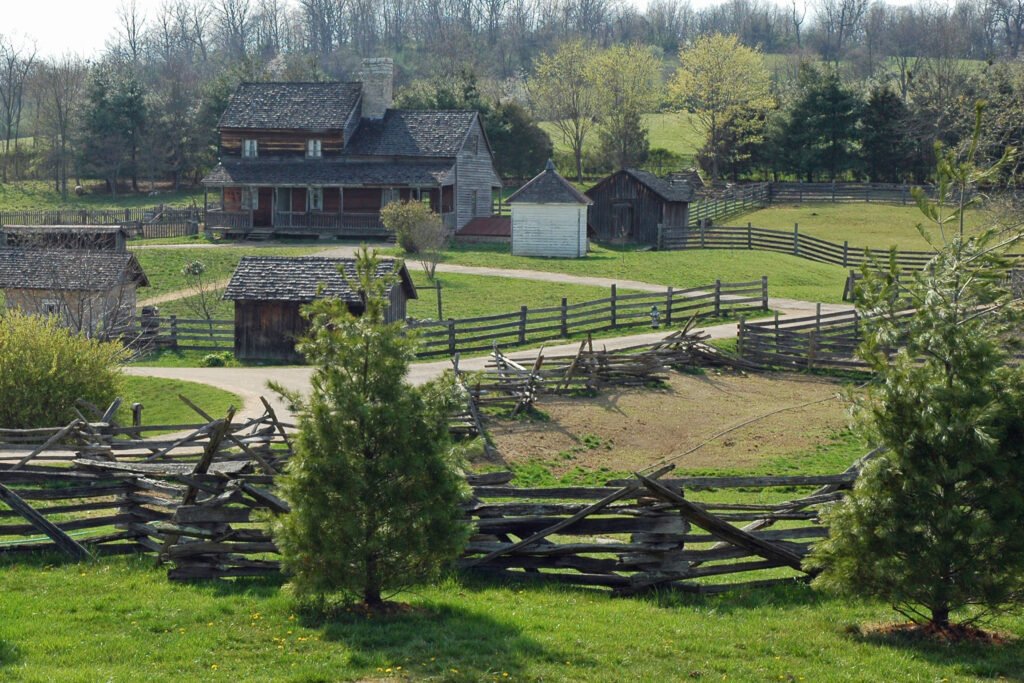
The Frontier Culture Museum opened in the 1980s with a mission to tell the story of the people who migrated to early America. Through reconstructed English, Irish, German, West African, and American farmsteads, the museum interprets the cultures, skills, and labor that shaped frontier life. Artisan demonstrations have always been central to the museum’s educational mission, connecting visitors directly to the trades and techniques settlers relied on to survive.
What You’ll See & Do at the Artisan Demonstrations
Artisans work throughout the museum’s historic farms, offering demonstrations such as:
Blacksmithing – Forging tools, hardware, and iron fittings
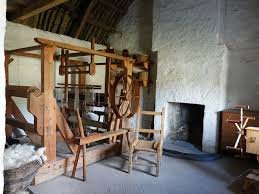
Weaving & Spinning – Wool processing, loom operation, and textile production
Woodworking – Hand-sawing, planing, joinery, and furniture-making
Basketmaking – Traditional weaving with natural materials
Leatherworking – Crafting frontier goods like sheaths, belts, and pouches
Hearth Cooking – Preparing meals using open-fire and period recipes
Historic Farming Skills – Planting, harvesting, and traditional animal care
Seasonal Demonstrations – Candle making, pottery, flax processing, quilting, and more
You can:
Walk through multiple historic homesteads
Speak directly with artisans and ask questions
Handle reproduction tools and materials when permitted
Watch demonstrations that vary by season, weather, and farmstead
Hands-On Elements: Select activities may allow supervised participation such as carding wool or simple crafting tasks.
Photo/Video Policy: Photography welcome; avoid blocking walkways or interfering with demonstrations.
Souvenirs & Extras: Handcrafted goods, books, toys, and museum merchandise available in the gift shop.
Pricing of the Artisan Demonstrations
Artisan demos are included with general museum admission, which typically ranges:
Adults: $13–$15
Youth: Discounted
Children under 6: Free
Special artisan fairs or festival weekends may have separate pricing.
Practical Info for Visiting the Frontier Culture Museum
Duration: 2–4 hours depending on how many farms and demos you visit
Format: Self-guided walking tour through indoor/outdoor historic sites with ongoing demonstrations
Working Hours:
Daily: 10:00 AM – 5:00 PM (hours extend seasonally)
Audience: Families, history lovers, students, heritage travelers, craft enthusiasts
Accessibility: Outdoor pathways, gravel and earthen trails; some homes have steps
Safety & Restrictions: Supervise children around open fires, animals, and tools
Languages: English
Group & School Visits: Extensive school programming and group tours available
What to Bring/Wear: Comfortable walking shoes, weather-ready clothing, water
Facilities: Visitor center, restrooms, gift shop, picnic areas, parking
Closures: Closed major holidays; demos may shift in bad weather
Nearby
Downtown Staunton – Dining, shopping, and theater
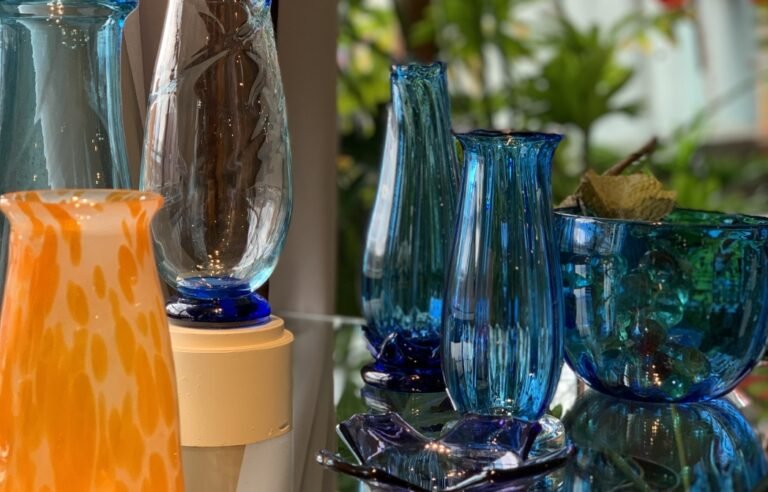
Sunspots Studios – Live glassblowing demonstrations
Frontier Culture Trails – Walking routes connecting the museum grounds
FAQs About Visiting Frontier Culture Museum Artisan Demos
Are demonstrations held every day?
Yes — artisans work daily, though specific trades rotate based on season and staffing.
Can children participate?
Some activities offer supervised hands-on opportunities, especially during special events.
Are the artisan demos indoors or outdoors?
Both — many trades are outdoors at the historic farms; others happen inside period buildings.
Do artisans make real products?
Yes — many items are produced using authentic methods and help interpret frontier life.
How long should I plan for a full visit?
Most visitors spend at least 2–4 hours exploring the museum’s many historic farmsteads.
Map
Sorry, no records were found. Please adjust your search criteria and try again.
Sorry, unable to load the Maps API.