
Profile
Discover the Colonial Williamsburg Historic Trades Experience
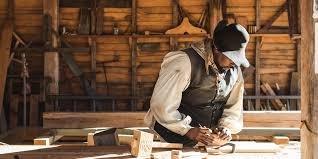
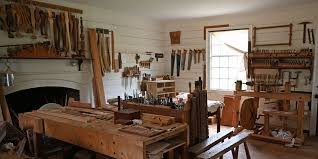
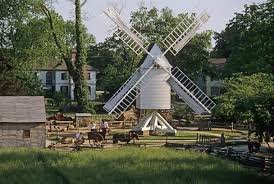
Step into an 18th-century world of craftsmanship at Colonial Williamsburg, where master artisans practice dozens of historic trades using period tools, techniques, and workspaces. Visitors watch blacksmiths hammer iron, wigmakers craft hairpieces, printers set type by hand, silversmiths shape metal, carpenters saw timber, and dozens of other tradesmen and women recreate daily life in a bustling colonial capital.
Why it’s special:
Colonial Williamsburg features one of the largest working museum trade programs in the world, with historic shops staffed by full-time, professionally trained artisans. Every demonstration is authentic, hands-on, and based on extensive research into 18th-century methods.
History / Story of Colonial Williamsburg’s Trades
Since the 1930s restoration of Williamsburg’s Historic Area, trades demonstrations have been central to interpreting colonial life. Skilled craftspeople were recruited to revive traditional techniques, rebuild workshops, and train new generations of artisans. Today, dozens of historic shops operate year-round, producing real goods — ironwork, textiles, silver, barrels, leather goods, prints, wheels, and more — just as they were made in the 1700s. The result is a living, working city powered by authentic craftsmanship.
What You’ll See & Do at Colonial Williamsburg Historic Trades
Visitors can explore more than 20 active trade shops, including:
Blacksmith & Armoury
Wheelwright Shop
Cooper (Barrel Maker) Shop
Carpenter’s Yard
Gunsmith Shop
Wigmaker’s Shop
Silversmith & Jeweler
Printer & Bookbinder
Weaver & Spinner
Leather Breeches Maker
Cabinetmaker
Brickmaker (Seasonal)
Foundry
Tailor & Mantua Maker
Historic Foodways Kitchens
You can:
Watch live demonstrations
Ask artisans questions
Examine tools and materials
Participate in hands-on activities during special events
See real 18th-century processes in motion — hammering iron, throwing clay, carving wood, stitching leather, weaving cloth, and more
Hands-On Elements: Some shops offer supervised participation (e.g., stitching, printing, cooking) during scheduled programs.
Photo/Video Policy: Photography encouraged; respect artisans’ workspace and avoid blocking demonstrations.
Souvenirs & Extras: Handmade goods available for purchase at select shops, plus replicas, books, and artisan merchandise.
Pricing of the Colonial Williamsburg Historic Trades Experience
Price: Access to trades demonstrations is included with Colonial Williamsburg admission, which typically ranges:
Adults: $26–$50+ depending on ticket type and season
Youth: discounted pricing
No separate ticket is required to visit individual trade shops.
Practical Info for Visiting Colonial Williamsburg Trades
Duration: 2–6+ hours depending on how many shops you visit
Format: Self-guided exploration with continuous live demonstrations
Working Hours:
Most shops open daily, typically 9:00 AM – 5:00 PM
Some shops rotate days or operate seasonally; check daily schedule
Audience: Families, students, history lovers, artisans, makers, and heritage travelers
Accessibility: Outdoor walking required; many shops accessible, though some historic structures have steps
Safety & Restrictions: Stay behind ropes and barriers; follow artisan guidance around hot tools, furnaces, and sharp equipment
Languages: English
Group & School Visits: Extensive school programming and guided group tours available
What to Bring/Wear: Comfortable shoes, weather-ready clothing, water, and a camera
Facilities: Restaurants, restrooms, shuttle stops, gift shops throughout the Historic Area
Closures: Some shops may close for weather or staffing; seasonal work (e.g., brickmaking) depends on temperature
Nearby
Governor’s Palace
Capitol Building
Public Armoury & Historic Kitchens
Merchants Square (shopping & dining)
Busch Gardens & Jamestown Settlement within short driving distance
FAQs About Visiting Colonial Williamsburg Historic Trades
Are all trade shops open every day?
No — many operate daily, but some rotate schedules. Check the daily program when you arrive.
Can children participate?
Yes — artisans often tailor explanations for kids, and some activities offer supervised participation.
Do the artisans make real products?
Yes — everything produced in the shops follows 18th-century techniques and many items are used onsite or sold.
Is the experience indoors or outdoors?
Both. Shops are indoors, but guests walk between them across the Historic Area.
How long should I plan to visit?
To explore multiple trades, plan at least half a day — many guests spend an entire day in Historic Williamsburg.

Map
Sorry, no records were found. Please adjust your search criteria and try again.
Sorry, unable to load the Maps API.